
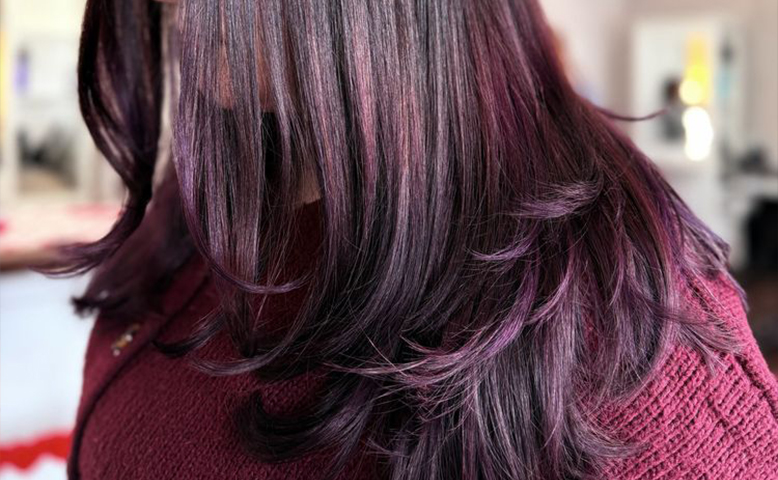
A great haircut is not only about style trends. It’s about how the hair is shaped, how it falls, and how it grows out over time. Technique is the “how” behind the result, and it decides whether a cut looks steady for weeks or starts to feel uneven after a few washes. Hair grows about 0.5 inches (1.25 cm) per month, so small errors can show up quickly as the shape shifts.
- A clean outline helps hair sit the same on both sides
- Balanced weight keeps the look from collapsing
- Smart sectioning makes the cut consistent
When a stylist follows a strong method, you get a look that is easier to manage at home and more predictable from day one to week six.
What You Can Expect From A Precision Hair Cut In Cincinnati
The technique starts before the scissors touch the hair. A good consult is not small talk—it’s a quick plan. Your stylist checks face shape, natural parting, crown whorls, and how your hair behaves when you air-dry. Hair density matters too: an average scalp holds around 100,000 hairs, but thickness and strand size vary a lot between people.
- Where do you want volume: top, sides, or ends?
- Do you heat-style daily or mostly wash-and-go?
- Are there cowlicks that fight the shape?
After those points, the stylist can choose the right approach—like keeping more weight at the perimeter for fine hair or removing bulk in key places for thick hair—so the cut fits your routine, not just the mirror.
How Precision Sectioning Gives You A Custom Cut
Haircuts are built into “maps.” Sectioning creates control, and control creates a clean shape. Without sections, the stylist is guessing, and small differences add up. Most classic methods use 4 to 7 main sections (depending on length and head shape) to keep each area even.
- Clean partings help each line connect.
- Consistent subsection size keeps results even.
- Matching left and right prevents drift.
Once the hair is organized, the stylist can follow a clear guideline (a reference length). That guideline is what keeps layers balanced and prevents a “heavier” side. Good sectioning also helps the cut grow out better because the weight is placed in the same pattern on both halves of the head.
How Elevation In Your Haircut Changes Shape And Weight
Elevation is how far the hair is lifted away from the head while cutting. This one skill decides where the weight stays and where it is removed. Think of it like this: lower elevation leaves more fullness, higher elevation removes more weight and creates more movement. Many haircut systems use common landmarks like 0°, 45°, and 90° as simple working points.
- 0° keeps a strong, solid edge
- 45° builds soft layering with stability
- 90° creates lighter layering and lift
After the elevation choice, the stylist checks how the hair falls naturally. The goal is not “more layers.” The goal is the right amount of structure so the cut holds its shape through daily life—wind, hats, sleep, and quick ponytails.
How Overdirection Shapes Your Hair Movement
Overdirection means pulling hair away from where it naturally sits before cutting it. It sounds small, but it changes the final flow of the hair. It can build volume, create length in one area, or keep a face-framing shape from getting too short. This matters a lot near the ears, the crown, and the front hairline.
- Pulling hair forward can keep the length near the face
- Pulling hair back can create lift and softness
- Cross-checking keeps the pattern even
Once the cut is done, the stylist should let the hair fall back into place and check the silhouette from multiple angles. Overdirection is also one reason two cuts can look “similar” in photos but behave very differently after a week of wear.
How Tension And Moisture Change Your Haircut
Hair behaves differently when it’s wet, damp, or dry. Wet hair stretches, so too much tension can lead to a result that feels shorter than expected once it dries. Curly hair can shrink a lot—often 30% to 50% depending on the curl pattern—so the technique must account for that reality.
- High tension can cause a surprising shrinkage on drying
- Low tension helps curls keep a natural pattern
- Cutting method changes for coils vs waves
A smart stylist decides whether to cut wet, dry, or both. For some textures, shaping the perimeter dry helps avoid uneven bounce. For others, wet cutting gives clean control, and then dry finishing refines the details. Either way, the rule is simple: the hair should be cut in a state that matches how you wear it most.
How Precision Cutting Tools Shape Your Style
Scissors, razors, and clippers are not interchangeable. Each tool leaves a different edge, and that edge affects movement, frizz, and how the cut grows out. Even the size of the blade and the sharpness can change the feel of the ends. Clippers can create crisp lines fast, while scissors offer softer control on longer hair.
- Scissors give a clean, controlled finish.
- Razors can create airy ends, but need skill
- Texturizing shears remove bulk in a pattern
After tool choice, technique still rules. For example, texturizing shears can remove roughly 20% to 50% of hair in the area they touch (depending on the shear design and how it’s used). Used well, that reduces puffiness. Used poorly, it can create uneven density and flyaways.
Point Cutting Versus Blunt Lines Results
Two cuts can be the same length but look totally different depending on how the ends are finished. Blunt cutting creates a strong line that reads as fuller. Point cutting (snipping into the ends) softens the edge and can help thick hair lie flatter.
- Blunt lines build a bold outline.
- Point cutting softens without losing length.
- Slide cutting can remove weight in long hair.
After the first pass, finishing work matters. A stylist may refine the ends with small changes that you can’t spot in the chair—but you’ll feel them at home when the hair brushes easier and the shape sits better without extra styling. End work is also where many “uneven” feelings get fixed, especially around the front pieces.
How Balance And Symmetry Make Haircuts Flatter You
A technical cut includes constant checks. Hair is not perfectly even on the human head, so the job is to create a balanced look, not a perfect measuring tape match. Stylists often cross-check by switching direction (horizontal vs vertical partings) to confirm the shape connects.
- Mirror checks catch uneven weight.
- Cross-checking confirms the guideline.
- Re-wetting or drying can reveal gaps.
Then comes the wear test: how it moves when you shake it, tuck it, or part it in a new way. These quick tests matter because people don’t hold their heads perfectly still all day. When checks are built into the process, the cut lasts longer and keeps its shape through normal life.
How A Precision Cut Saves You 15 Minutes Every Morning
When the cut is built well, daily styling gets simpler. A steady foundation means fewer hot-tool passes, less fighting with the brush, and fewer “why is this side flipping?” moments. It also helps you keep a schedule: if hair grows about 0.5 inches a month, many short cuts feel best with trims every 4–6 weeks, while longer layered shapes often stay comfortable for 8–12 weeks.
- Better structure reduces daily effort.
- Good weight placement helps volume stay steady
- Cleaner grow-out means fewer emergency fixes
Over time, that can save both time and product. The goal is not perfection; it’s a cut that behaves the way you expect—on workdays, weekends, and everything in between.
Precision Hair Cuts Cincinnati That Hold Their Shape
The technique shows up most when the haircut grows out. Strong lines connect, layers stay balanced, and the shape doesn’t “break” into random shelves. That’s why choosing a salon that values method and education matters. The Wild Hare Salon in Cincinnati has been serving clients since 2009, with a full menu of hair services and an owner with decades in the industry.
The Wild Hare Salon
- Ask how your cut is meant to grow out
- Bring photos, but describe your routine too
- Book trims based on how fast your shape shifts
If you want a haircut built on skill, clear steps, and real care, schedule your next appointment with The Wild Hare Salon.